In a hurry? Lighting design principles at a glance.
- Lighting design is the planned use of light to support function, safety and experience, while working within project constraints and any relevant compliance requirements.
- A good design balances illumination levels (lux), glare control, colour quality, light distribution, and integration with daylight and controls.
- Most projects start with a brief and existing conditions, and sometimes a light survey.
- Typical outputs include lighting layouts, luminaire schedules, calculations or modelling reports, and coordinated documentation for consenting and construction.
- For large area and sports venues, modelling and verification help manage spill, glare and uniformity.
- Daylighting analysis helps reduce reliance on artificial light and supports comfort and compliance assessments.
- Engage early (concept or developed design) to reduce redesign, late variations and consenting delays.
- To get a fast scope, send plans + site address, intended use, key constraints and any council or consent conditions.
What is lighting design?
If you are asking what is lighting design, the practical answer is this: it is the process of planning, modelling and documenting light so a space performs as intended for the people using it.
Lighting design sits between architecture, electrical engineering, landscape and operations. It considers how light affects task performance, safety, comfort, wayfinding, ambience and long term maintenance.
It is not just selecting fittings at the end. The best outcomes usually come from early coordination with the building form, materials, ceiling heights, landscape elements and how the space will be used.
- Function: the right light where people work, move and make decisions.
- Comfort: control glare, harsh contrast and unwanted spill.
- Quality: choose colour temperature and colour rendering that suit the use and materials.
- Efficiency: use optics, controls and daylight well, without over-lighting.
- Coordination: align locations and mounting with structure, services and maintenance access.
Key principles of lighting design
These principles of lighting design are the levers you can pull to improve performance, reduce risk and avoid expensive rework.
1. Illumination levels and task needs
Illuminance (measured in lux) describes how much light arrives on a working surface. The target level depends on the task, the user group, the required safety outcomes and the surrounding environment.
A common approach is layered lighting: combining ambient light for general visibility with task lighting where higher precision is needed, plus accent lighting where you want emphasis or wayfinding.
2. Glare control and visual comfort
Glare is one of the fastest ways to make a space feel uncomfortable or unsafe, even if the measured lux is high. Good design uses fixture optics, shielding, mounting position and surface reflectance to keep bright sources out of normal sight lines.
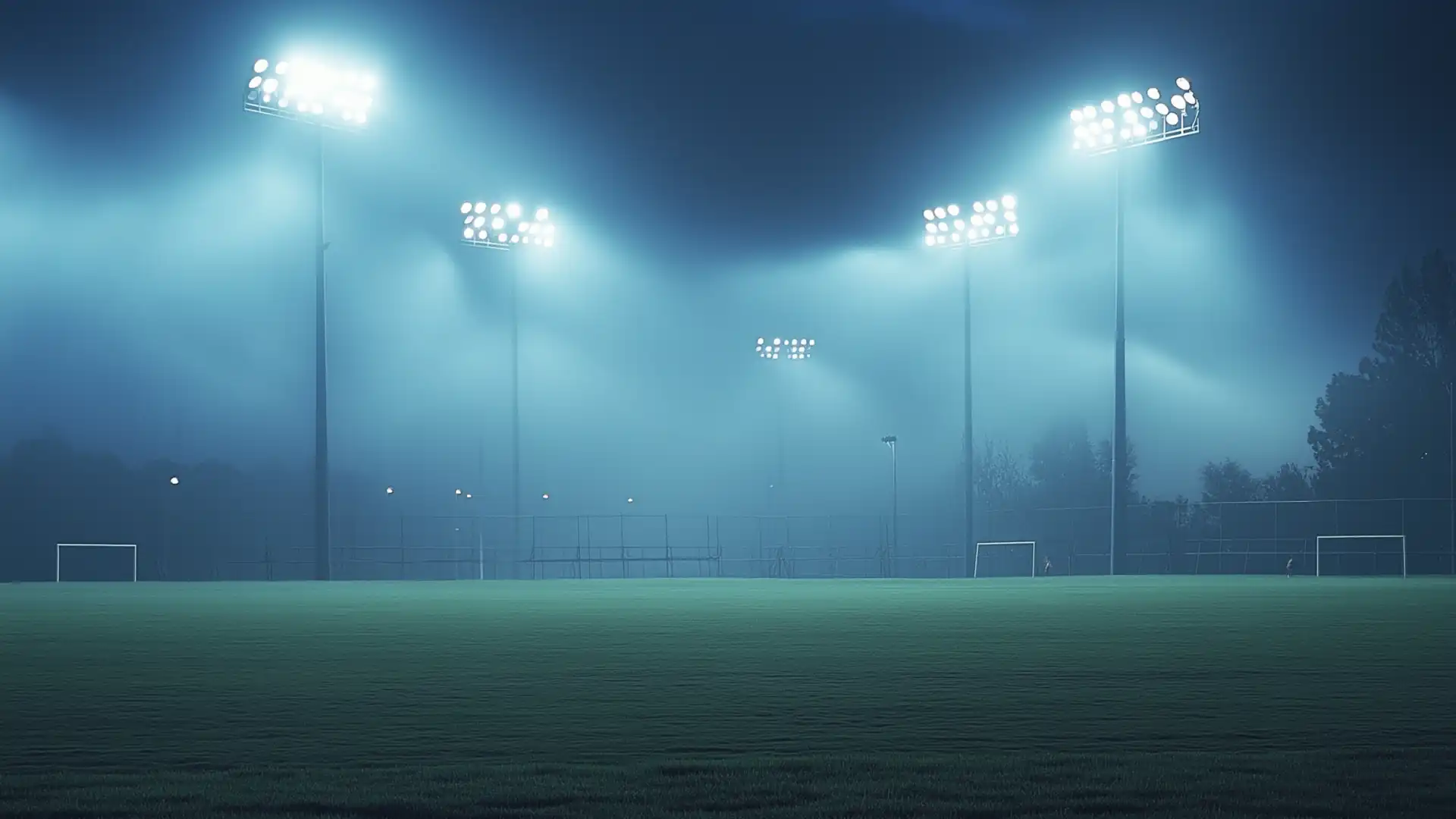
For roadways, sports venues and public spaces, glare and spill can also become an approvals and neighbour issue. Managing this early protects programme and reduces late design changes.
3. Colour temperature and colour quality
Colour temperature (Kelvin) describes whether a light appears warm (more yellow) or cool (more blue). It affects mood, perceived brightness and how materials look.
Warm tones are commonly used in residential and hospitality settings, while cooler tones are often chosen for workplaces and education. The right choice depends on the brief, materials and the people using the space.
Colour rendering matters too. Poor colour quality can make finishes look flat, reduce legibility of signage and impact safety where accurate colour judgement is needed.
4. Light distribution and modelling</h3
Light distribution is the pattern of light a luminaire throws onto a surface. It drives spacing, mounting height, uniformity and how much light ends up where you do not want it.
Modelling helps test options before anything is purchased or installed. This is particularly important for large area lighting, high ceilings and outdoor environments where spill and glare must be controlled.
5. Controls, maintenance and sustainability
Energy performance is not just about the fitting. Controls, zoning, dimming, sensors and daylight response can materially change operating outcomes.
Maintenance access and replacement strategy should be designed in. A solution that looks great on day one but is hard to maintain will usually cost more across the asset life.
6. Integration with architecture, landscape and people movement
Lighting works best when it is integrated with the architecture and landscape, not bolted on. That includes coordination with structural elements, planting, signage, CCTV coverage, access routes and how people naturally move through the site.
In public realm work, lighting often needs to balance safety, amenity and stakeholder expectations, while staying defensible if questioned later.
How these principles translate into real project decisions
In practice, principles become decisions. Typical examples include:
- Where light is needed (tasks, paths, entries, focal points).
- Which luminaires and optics suit the mounting heights and surfaces.
- How to control glare and spill to protect users, neighbours and approvals.
- How to use daylight effectively without creating uncomfortable contrast.
- How to zone and control lighting so it performs across different modes of use.
- How to coordinate the lighting with electrical design, structure, ceilings, landscape and maintenance access.
Book a short scoping call or send plans + site address to confirm scope, risks and next steps.
Project stages and typical lighting outputs
The exact scope varies by project, but the table below shows a typical end-to-end pathway and what each stage produces.
What you receive (typical deliverables)
Deliverables depend on project type and scope, but commonly include:
- Lighting design report and assumptions (PDF).
- Lighting layouts and details suitable for coordination and construction (PDF, and CAD where agreed).
- Luminaire schedules (often Excel) including key performance data needed for procurement.
- Lighting calculations or modelling outputs (PDF).
- Coordination input with architectural, landscape and electrical documentation (as scoped).
- Commissioning or verification guidance, and compliance survey reporting where required.
Scope caveats:
- Council and consent requirements vary. Confirm early if a project has specific spill, glare, ecological or amenity conditions.
- Lighting design does not replace electrical installation design or contractor shop drawings unless that is explicitly included in scope.
- Where existing conditions are uncertain, site verification (photos, access and measurements) may be needed before finalising design.
What we need from you (to scope accurately, fast)
If you want an accurate scope and fee with minimal back and forth, send:
- Plans or models (PDF is fine) and the site address.
- The intended use of each area, operating hours and any key user groups (public, staff, athletes, residents).
- Ceiling heights, mounting constraints, and any known surface finishes or reflectance drivers (if available).
- Any council or consent conditions, stakeholder requirements, or known sensitivities (neighbours, ecology, dark sky).
- Programme: key dates for design freezes, consenting, tender and installation.
- Your preference on supply model (client-supplied, contractor-supplied, nominated fittings) if already decided.
Common mistakes and what can go wrong
Most lighting problems are avoidable. The common failure modes usually look like this:
- Leaving lighting until late, after ceilings, structure and landscape decisions are fixed.
- Selecting fittings before modelling, then discovering glare, spill or poor uniformity on site.
- Over-lighting to be safe, which can increase energy use, complaints and long term operating cost.
- Underestimating maintenance access and replacement strategy, especially for high mounted luminaires.
- Inconsistent colour temperature or colour quality across adjoining spaces, making a project feel patchy.
- Controls that do not match how the space is actually used, leading to overrides and wasted energy.
- Poor coordination of luminaire locations with structure, sprinklers, HVAC, signage and CCTV.
Real-world applications from LDP
The principles above apply across buildings, public realm and specialist environments. LDP’s project work includes:
Sports lighting
Sports venues need high visibility, good uniformity and controlled glare for athletes and spectators. They also often have spill and neighbour considerations.
See the North Harbour Hockey Stadium case study.
Daylighting in buildings
daylighting analysis uses modelling to understand how natural light performs in a building across the day and seasons, helping inform glazing, shading and internal layouts.
See the Augusta Apartments case study for what this looks like in practice.
Public spaces and place outcomes
In public spaces, lighting has to balance amenity and safety, integrate with landscape and architecture, and stand up to stakeholder scrutiny over time.
See the Aotea Square case study.
FAQ
What is the difference between lighting design and electrical design?
Lighting design focuses on performance and experience (light levels, glare, colour, distribution and controls intent). Electrical design covers how systems are powered, protected and installed. Projects often need both, coordinated.
When should I engage a lighting designer or light engineer?
Ideally at concept or developed design. Early input helps avoid redesign once ceilings, structures and landscape are locked in.
Do you provide site measurements of existing lighting?
Yes, where scoped. A Light survey can record existing levels and help confirm whether upgrades are needed.
Can you help with sports venue lighting performance and compliance?
Yes, where scoped. This typically involves modelling, specification support and verification planning, with attention to glare and spill.
What is daylighting analysis and when is it worth doing?
daylighting analysis models natural light to support comfort, design decisions and compliance assessments. It is most useful where glazing, shading or daylight access are key drivers.
What deliverables should I expect from a lighting design engagement?
Typically: layouts, schedules, modelling outputs and a short report of assumptions. Deliverables vary by project and stage.
Will a lighting design guarantee council approval or performance outcomes?
No. Requirements and approvals vary by council and by consent conditions. Good documentation reduces risk and makes decisions easier, but outcomes still depend on approvals, installation and commissioning.
Can you coordinate with architects, landscape architects, builders and councils?
Yes. Lighting performs best when it is coordinated early with the wider design team and documented clearly for consenting and construction.
Next step – choose your path
If you want fewer surprises and better certainty of return, engage lighting early. Choose the pathway that fits where your project is at:
- Book a short scoping call to confirm scope, risks and next steps.
- Send plans + site address and a short brief for a fast, accurate proposal.
- Already in consenting or construction? Send the conditions or issue list and we will advise the quickest way to regain momentum.
LDP supports projects across Aotearoa New Zealand with independent illumination engineering and practical, defensible documentation.