Lighting in schools needs to support reading, writing, screens and movement without glare or visual fatigue. Lighting in hospitals needs to support clinical accuracy, patient comfort and safe circulation, often across long operating hours. Good outcomes usually come from getting three things right: daylight where it helps, electric lighting that suits the task, and controls […]
Articles
Lighting Compliance and Regulations in New Zealand Explained
Lighting compliance is often treated as a final check before sign-off. In practice, lighting compliance influences approvals, programme, safety and public outcomes from the start of a project. When lighting falls short of what is required, the issues usually surface late – during a consent review, through complaints, or after an asset is already in […]
What Lighting Effects Assessments Really Require in New Zealand
A lighting effects assessment is often the key piece of evidence for resource consent lighting decisions where outdoor light may affect neighbouring sites or sensitive environments. A report can look technically sound, yet still raise questions once it is tested against district plan rules, peer reviewed, or considered through submissions. Councils are not only looking […]

Understanding Lighting Disputes and How to Avoid Them
Lighting disputes usually do not start with a dramatic failure. More often, they start with something small – a drawing that does not match what is installed, a performance assumption that was never verified, or a standard that was referenced but not fully applied. Once that gap exists, lighting disputes can surface late, when they […]
Diagnosing Non-Compliant Lighting
Installed lighting does not always perform as intended. In many projects, systems that appear compliant during design or procurement reveal problems only after commissioning or during early operation. Light levels may fall short of requirements. Glare may affect occupants or neighbouring properties. Energy use may exceed expectations. Non-compliant lighting can be an issue in commercial […]
Benefits of Human-Centric Lighting
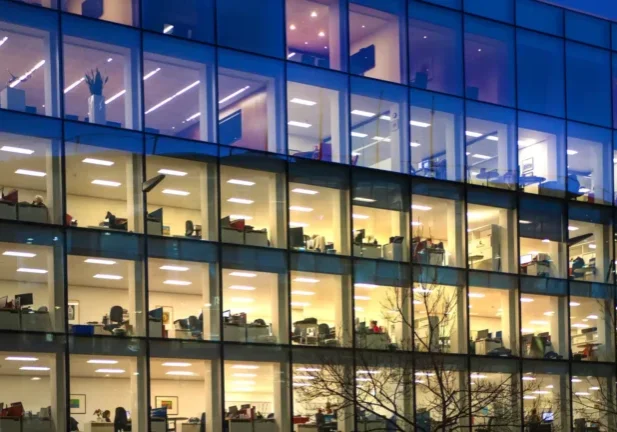
Human-centric lighting is lighting designed around people, not just spaces. In offices, schools, health facilities and public buildings, the light you provide affects comfort, alertness, wayfinding and how safely a space is used across the day. Many projects still default to one static light level and one colour temperature. That can meet basic needs, but […]
How Lighting Design Transforms Urban Spaces
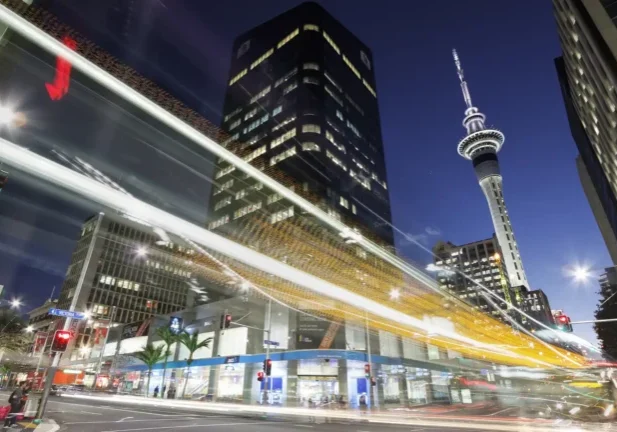
Urban lighting design is not just about making streets brighter. Done well, it helps people feel safe, supports local activity after dark, and improves how places look and work at night. It also needs to be responsible. Good design manages glare, controls spill light, and considers the broader environmental impact. This article explains what urban […]
Types of Lighting and Their Uses
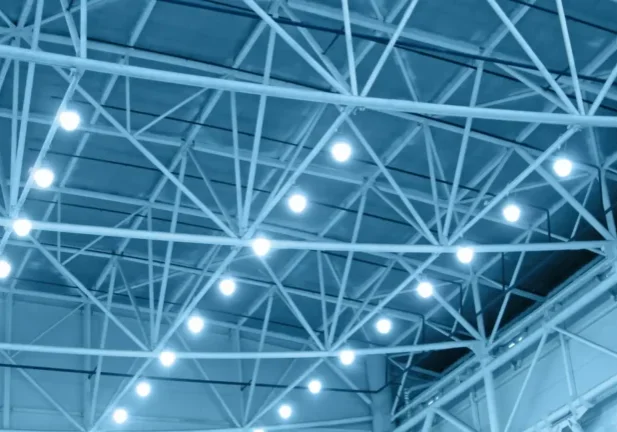
In a hurry? Different types of lighting explained The phrase types of lighting usually means two things: the lighting layers (ambient, task, accent) and the lighting system types (for example high bay, troffers, floodlighting, street and area lighting). The right choice depends on the use of the space, mounting height, glare and spill risk, colour […]

Why Independent Lighting and Illumination Engineers Are Vital for Success
Good lighting can transform a space, but on professional and infrastructure projects it is about more than aesthetics. Independent lighting and illumination engineers help project teams make clear, defensible decisions on safety, compliance, visual comfort, maintainability, environmental effects and whole-of-life value. Independence means your lighting outcomes are driven by the site, the brief and the […]
Light Pollution and Its Effects on Wildlife and Ecosystems
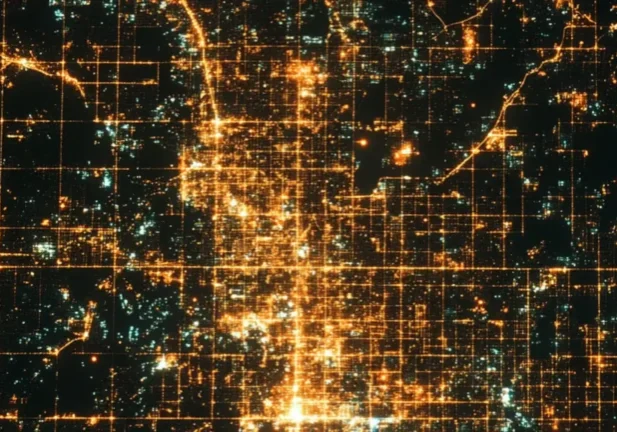
In a hurry? Here’s why light pollution is preventable. Light pollution is unwanted or misdirected outdoor light that creates glare, light trespass, clutter and skyglow. The impact of light pollution on wildlife often comes from artificial light at night changing feeding, breeding and navigation cues. Insects and nocturnal pollinators are particularly sensitive, which can cascade […]