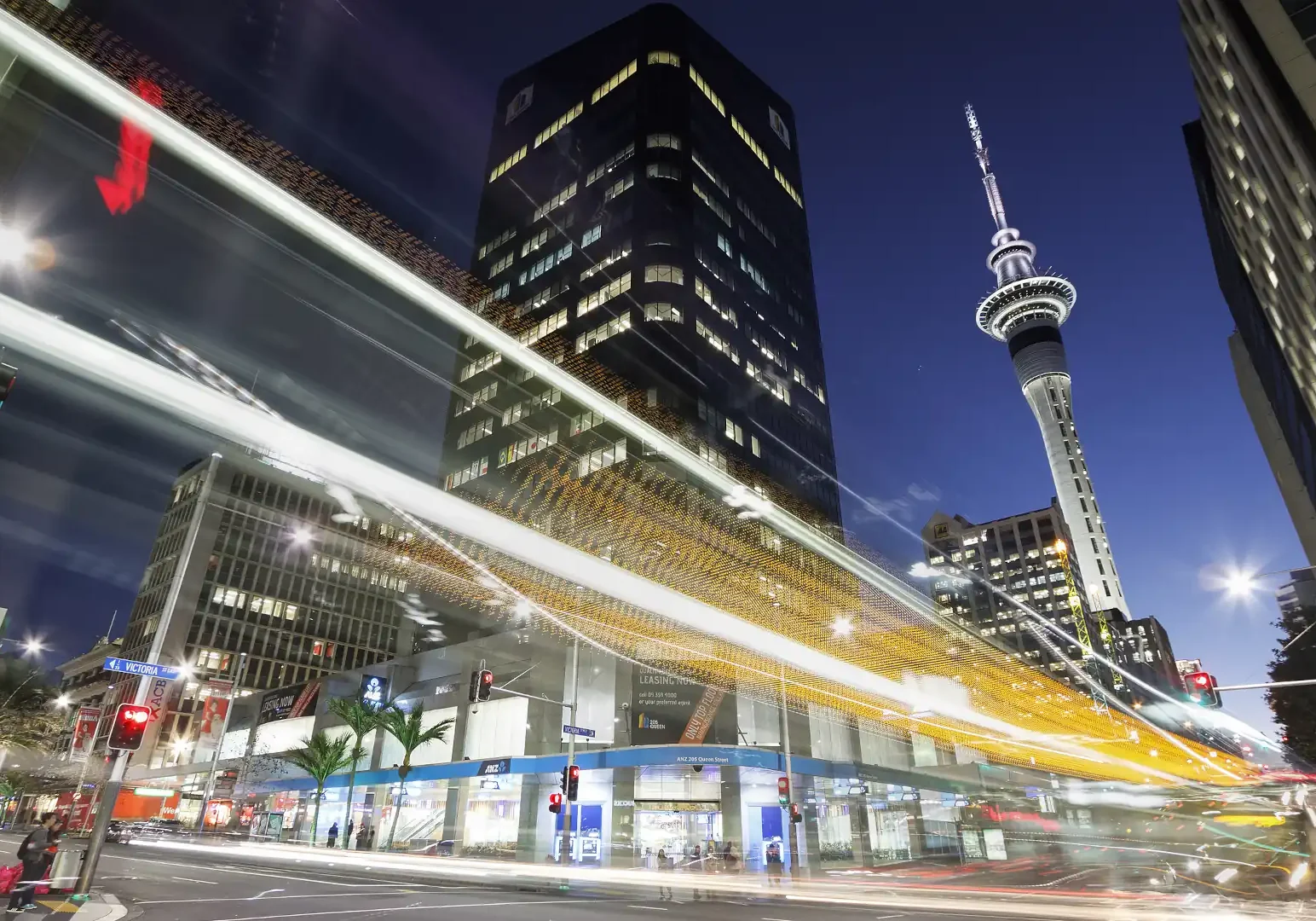
Urban lighting design is not just about making streets brighter. Done well, it helps people feel safe, supports local activity after dark, and improves how places look and work at night.
It also needs to be responsible. Good design manages glare, controls spill light, and considers the broader environmental impact.
This article explains what urban lighting design is, what outcomes it can support in Urban spaces, and how councils, developers, and place managers can set a project up for smooth delivery. The focus is practical: fewer surprises, clearer decisions, and lighting that performs in the real world.
In a hurry: direct answers
- Urban lighting design shapes safety, wayfinding, comfort, and night-time use. It is as much about reassurance and legibility as it is about light levels.
- Strong outcomes come from a layered approach: functional light for movement, targeted light for key features, and controlled light to avoid glare and wasted spill.
- The biggest risks are usually glare, poor uniformity, and light where it is not wanted. These drive complaints, rework, and higher operating costs.
- Controls matter. Smart dimming schedules and adaptive settings can reduce energy use while keeping public areas usable and safe.
- Design needs coordination. Pole locations, planting, CCTV, signage, heritage elements, and underground services can all affect what is buildable.
- Decision-ready outputs are clear drawings, a luminaire schedule, and modelling that shows performance against the agreed brief.
- To get an accurate scope and fee quickly, send plans plus the site address and any known constraints.
What is urban lighting design?
Urban lighting design is the planning and engineering of how light is used across streets, paths, parks, civic areas and town centres. The goal is to make places usable after dark, while supporting safety, identity, accessibility, and long-term maintenance.
It often sits alongside transport and streetscape upgrades, landscape and public realm design, and asset renewals. Lighting should be coordinated early so poles, brackets, foundations, cable routes, and controls do not become late-stage surprises.
Street lighting vs public space lighting
Street lighting is usually focused on roads and movement corridors. Public space lighting covers plazas, shared spaces, parks, laneways and town centre nodes where people stop, gather, and spend time. Both need to work together so the experience is consistent and the site feels legible.
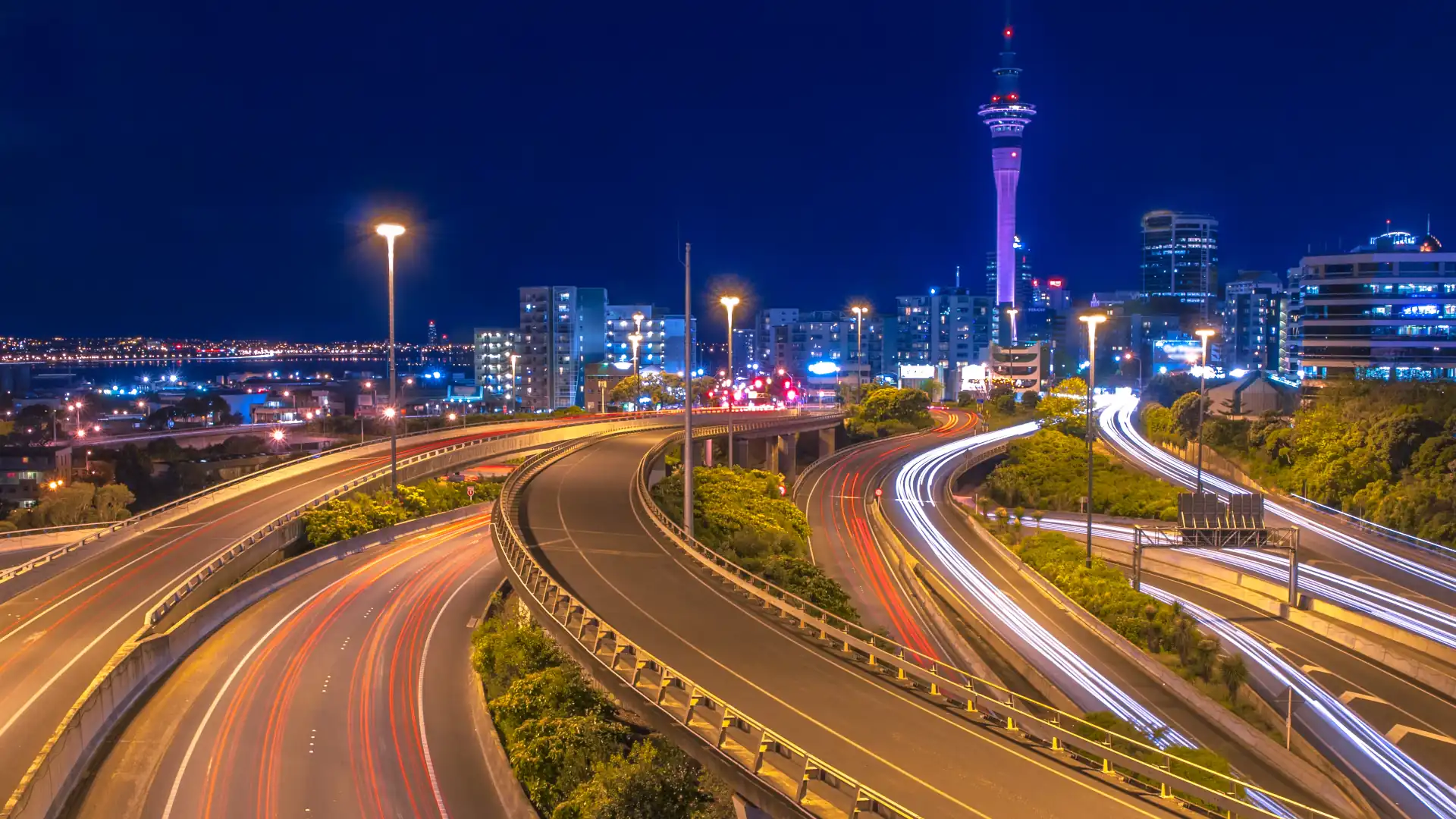
What good urban lighting achieves in practice
Safety, reassurance and wayfinding
Well-designed lighting improves visual clarity and helps people feel more confident moving through public areas after dark. Evidence reviews have also found measurable reductions in crime where street lighting is improved, noting an average reduction of around 21% in treatment areas compared to similar areas with no lighting improvements.
In practice, safety outcomes come from the basics: good uniformity, controlled glare, clear vertical illumination (so faces are recognisable), and consistent lighting along routes.
Social use and dwell time
Lighting affects whether public places feel welcoming or avoided. Studies of public squares and interactive lighting suggest that perceived atmosphere and lighting quality influence how long people stay and how comfortable they feel using a space after dark.
Support for local activity after dark
Town centres rely on people feeling comfortable walking between destinations. Lighting can support outdoor dining, evening retail, and events by making key routes and gathering points easier to use. This is less about over-lighting, and more about clarity, consistency, and reducing harsh contrasts.
Identity and placemaking
Thoughtful lighting can reinforce local character and help people understand where they are. A considered approach highlights architectural details and landmarks without creating visual clutter.
Energy, maintenance, and environmental performance
Most asset owners are balancing better performance with lower operating cost and reduced environmental impact. Modern LED systems and well-set controls can cut energy use and reduce maintenance, while also improving visibility.
Public reporting on large LED upgrade programmes in New Zealand has documented significant annual savings and improved visibility outcomes. Many councils also report that LED optics help achieve lower light spill by directing light downward where it is needed.
The key is to design for the whole life of the asset: glare control, correct mounting heights, maintainable fittings, realistic access for repairs, and controls that match how the space is actually used.
Planning an upgrade?
If you are working on a town centre upgrade, streetscape, or public space renewal, send us your plans and site address. We will confirm what information is needed, identify key risks early, and recommend the next steps.
Urban lighting design stage guide
Urban lighting projects run more smoothly when decisions are made in the right order. This table shows a typical flow and the outputs decision-makers usually need.
| Stage or scenario | What is needed | Why it matters | Typical outputs |
|---|---|---|---|
| 1. Brief and objectives | Agreed outcomes, key users, operating hours, constraints, asset owner standards | A clear brief prevents redesign and misaligned expectations | Lighting brief, objectives, preliminary risk list |
| 2. Site and context review | Existing lighting, power supply, geometry, vegetation, heritage, adjacent property interfaces | Avoids clashes and identifies where glare or spill risks are likely | Site assessment notes, constraints plan |
| 3. Concept design and options | Lighting hierarchy, preliminary layout, controls intent, option comparison | Lets stakeholders choose an approach before detailed work begins | Concept layouts, option sketches, high-level modelling |
| 4. Detailed design | Final layouts, calculations, luminaire selection, electrical and controls documentation | Creates buildable documentation and reduces tender ambiguity | Design report, drawings, luminaire schedule, specification |
| 5. Approvals and stakeholder input | Inputs for consent conditions, CPTED reviews, community feedback responses | Requirements vary by council and project. Early alignment reduces delay | Approval responses, supporting technical notes |
| 6. Procurement and delivery support | Tender clarification, shop drawing review, coordination with | Prevents substitutions that undermine performance or maintenance | Tender query responses, review comments |
| 7. Commissioning and performance tuning | Aim and focus checks, control settings, verification where required | Helps the installed result match the intent and reduces complaints | Commissioning plan, settings schedule, completion notes |
What you receive from LDP
Your deliverables depend on project scale, procurement route, and asset owner requirements. For most urban lighting design projects, you typically receive:
- Lighting design report (PDF) documenting the brief, design approach, and key assumptions
- Lighting layouts and details (PDF and, where required, CAD formats)
- Photometric modelling outputs and calculation summaries (format to suit the project)
- Luminaire schedule with key parameters for procurement and maintenance
- Specification and performance requirements suitable for tender documentation
- Controls intent and settings schedule where smart controls are used
- Coordination notes for poles, brackets, access, and interfaces with other services
- Support through procurement and delivery, including review of contractor submissions where engaged
Scope caveats (common on public realm projects): council and asset owner requirements vary; underground service locating is a separate process; structural design for poles and attachments may sit with the relevant structural engineer; and ecological or dark-sky requirements should be confirmed early if they apply.
What we need from you to scope accurately
To move quickly and price accurately, send as many of the following as you can:
- Site address and project location (Auckland or NZ-wide)
- Concept plans and, if available, latest civil and landscape drawings
- Any existing lighting plans, as-builts, or asset information
- Asset owner standards or council requirements (if known)
- Key outcomes: safety, amenity, heritage character, event use, environmental constraints
- Operating hours and any curfew or dimming expectations
- Programme milestones and procurement route (design-bid-build, design-build, etc)
- Budget range or commercial constraints (so the design stays buildable)
- Known constraints: trees, utilities, CCTV locations, signage, adjacent residents
Common pitfalls and what can go wrong
- Over-lighting that creates glare, discomfort, and complaints from nearby properties
- Poor uniformity that leaves dark patches and reduces perceived safety
- Ignoring spill light and sky glow, leading to avoidable environmental and amenity effects
- Late coordination of pole locations, planting, and underground services, causing redesign
- Value engineering substitutions that change optics and undermine performance
- Controls that are not commissioned properly, leaving the site stuck in one mode
- No plan for maintenance access, resulting in higher operational cost over the asset life
FAQ
What is the difference between street lighting and public space lighting?
Street lighting is focused on movement corridors and road safety. Public space lighting supports places where people gather and spend time, such as squares, laneways, parks and town centre nodes. Most projects need both to work together.
How do you balance safety with the environmental impact of lighting?
It starts with using light only where it is needed, controlling glare, and selecting optics that minimise spill. Controls and dimming schedules can reduce energy use while still keeping routes usable. Requirements vary, so confirm any ecological or dark-sky expectations early.
How do you reduce glare and lower light spill in town centres?
Glare and spill are usually driven by poor optics, incorrect mounting heights, or over-bright settings. A good design uses cut-off optics, correct aiming, and realistic lighting levels for the task. Post-install commissioning also matters.
Can better lighting reduce anti-social behaviour?
Better lighting can improve reassurance and visibility and can be part of a wider CPTED approach. Evidence reviews have shown reductions in crime following street lighting improvements, but results vary by context and should not be treated as a guarantee.
Do we need resource consent or approvals for new lighting?
Sometimes. It depends on the site, zoning, and any consent conditions, as well as the asset owner. Many projects also need stakeholder engagement where residents, businesses, or environmental sensitivities are involved.
What is smart or adaptive lighting?
Smart lighting uses controls and sensors so light levels can change by time of night, activity, or event mode. It is often used to reduce operating cost and to provide flexibility for events and seasonal use.
How do you make sure the design is maintainable long-term?
We consider access for maintenance, the availability of fittings, the expected asset life, and how the system will be operated. A good luminaire schedule and clear specification help reduce future substitutions and surprises.
What should we send first to get the process started?
Send plans and the site address, plus any known constraints and performance expectations. If you have asset owner standards or previous lighting information, include those too. We will come back with a clear scope, deliverables, and next steps.
Next steps
If you want urban lighting design support that is practical, buildable, and defensible, here are the usual next steps:
- Send plans plus the site address (and any constraints) so we can scope accurately
- Book a short scoping call if you need help confirming objectives and priorities
- Request a proposal for end-to-end urban lighting design support (concept through to delivery)
Reference links
These sources support some of the general evidence and public reporting referenced above: