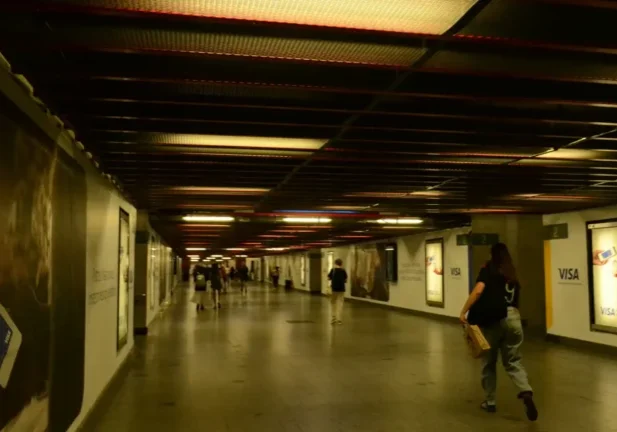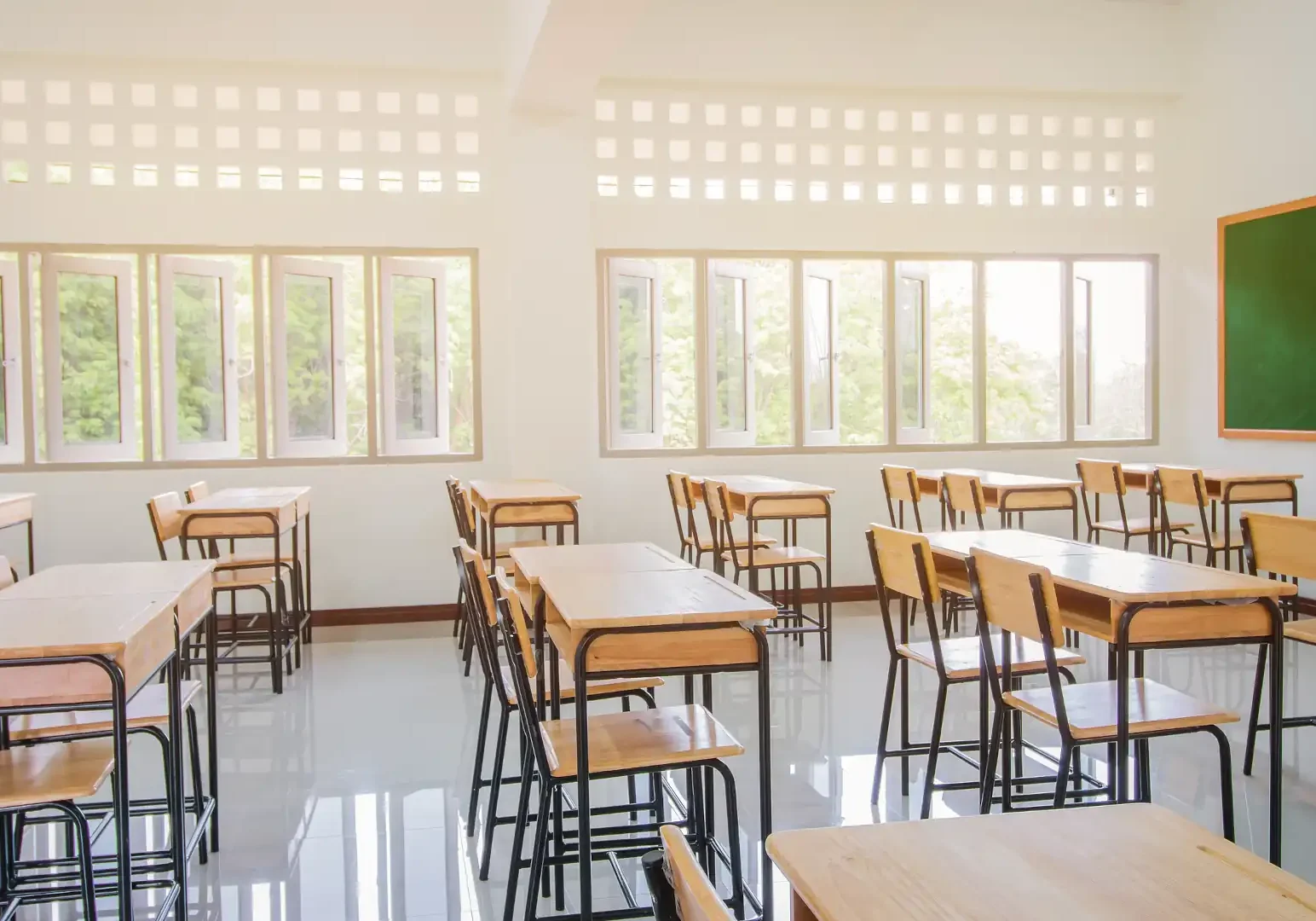
Lighting in schools needs to support reading, writing, screens and movement without glare or visual fatigue. Lighting in hospitals needs to support clinical accuracy, patient comfort and safe circulation, often across long operating hours. Good outcomes usually come from getting three things right: daylight where it helps, electric lighting that suits the task, and controls that match how the building actually runs.
LDP is an independent illumination and electrical engineering team supporting Auckland and NZ-wide education and healthcare projects. We focus on clear briefs, defensible design decisions, and documentation that is buildable and maintainable.
In a hurry – direct answers
- Start with the task: classrooms, wards and clinical rooms all need different light levels, glare control and colour quality.
- Use daylight carefully. It can improve comfort and reduce energy use, but only if glare and heat gain are managed and controls are commissioned properly.
- Controls usually deliver the biggest operational wins: zoning, dimming, occupancy sensing and schedules can reduce waste without under-lighting spaces.
- In schools, prioritise teacher-friendly controls, uniform light on desks, and low-glare lighting for whiteboards and screens.
- In hospitals, separate clinical task lighting from ambient lighting so staff can work accurately while patients can rest.
- For upgrades or complaint-driven projects, a lighting survey is often the fastest way to confirm current performance and target the real issues.
- Aim for whole-of-life value: accessible fittings, sensible standardisation, and a clear plan for maintenance and commissioning.
What makes education and healthcare lighting different?
Education and healthcare buildings are high-occupancy, high-consequence environments. Poor lighting does not just look bad – it creates complaints, distracts users, and can introduce safety and operational risk. The brief normally needs to balance comfort, clinical or learning performance, energy use, maintenance, and disruption to operations.
- Mixed users: students, teachers, patients, clinicians, visitors and facilities teams.
- Mixed tasks: reading and screens, clinical observation, circulation, security and cleaning.
- Long hours: many areas run early to late, and some areas run 24/7.
- High sensitivity to glare and contrast, especially with whiteboards, screens and clinical surfaces.
- Practical constraints: infection control, access limitations, staged works and quiet hours.
Lighting in schools – practical requirements and strategies
School requirements vary by client and project. Ministry of Education guidance (including the Designing Quality Learning Spaces resources) is commonly used to set expectations around daylight, glare control, uniformity, dimming and local switching. The goal is consistent, comfortable visibility across the full day and across multiple teaching modes.
1) Design for learning tasks, not just a lux number
A classroom is a mix of tasks: reading and writing at desks, viewing whiteboards, using screens, and moving around the room. Good design considers horizontal and vertical light, glare risk, and how the space is actually used.
- Keep glare down on whiteboards and screens through fitting selection, placement and shielding.
- Avoid harsh contrast. Even light distribution usually feels calmer and reduces visual fatigue.
- Use layering: general lighting plus targeted light where needed (for example, teacher wall, presentation zones or specialist areas).
- Consider flicker performance and driver quality, particularly in learning environments.
2) Make controls simple for staff
Controls only help if people can and will use them. Teachers and facilities teams need clear options, not a complicated interface.
- Provide intuitive scenes (for example, teaching, presentation, cleaning) matched to the room type.
- Use zoning so only the areas in use are lit, without leaving dark patches that feel unsafe.
- Confirm who will manage settings after handover and ensure commissioning is part of scope.
3) Use daylight well
Daylight can support comfort and reduce energy use, but it needs to be integrated. If you are relying on daylighting, plan for glare control, shading and sensible daylight harvesting settings.
Common school lighting mistakes to avoid
- Over-lighting to ‘solve’ complaints, instead of addressing glare, contrast or poor controls.
- Assuming one classroom layout works for every teaching space, including breakout rooms and specialist areas.
- Installing sensors without tuning them, leading to lights switching off at the wrong time.
- Selecting fittings that look good on paper but are hard to maintain or replace at scale.
Mid-project check-in
If you are planning a new build, refurbishment or LED upgrade, a short light design consultation can confirm priorities and reduce rework.
- Send plans + room list + site address.
- Tell us what is not working today (glare, dark spots, complaints, maintenance issues).
- We will recommend a practical path forward, including whether a lighting survey is needed.
To start, get in touch.
Lighting in hospitals and other medical spaces
Lighting in hospitals is not one system – it is a set of zones with very different needs. Clinical task areas require accuracy and consistency. Patient areas need comfort, rest-friendly settings and safe night lighting. Shared spaces such as corridors, nurse stations and waiting areas need clarity without unnecessary glare.
For Medical spaces, confirm any client standards and healthcare guidance early. Requirements can vary by facility type, infection control protocols and equipment.
1) Separate clinical task lighting from ambient lighting
Where clinical work happens, staff need light that supports accurate observation and safe procedures. This is typically achieved with dedicated task lighting and higher colour quality, supported by ambient lighting that avoids harsh contrast.
- Prioritise shadow control and consistent illumination in task areas.
- Use appropriate colour rendering for the task and surfaces being observed.
- Avoid glare on glossy clinical finishes and equipment displays.
- Confirm lighting needs with clinicians, not just drawings.
2) Design patient areas for comfort and staff workflow
In wards and patient rooms, lighting needs to support rest, observation, cleaning and staff movement. Tunable and dimmable systems can be useful where they are maintainable and the operational intent is clear.
- Provide low-level night lighting to support safe movement without fully waking patients.
- Use controls that allow staff to work while maintaining a calmer environment for patients.
- Plan for cleaning and infection control requirements when selecting fittings and access methods.
3) Get circulation and wayfinding right
Corridors, stairwells, entries and waiting areas are safety critical. These zones also shape the first impression of the facility.
- Use consistent lighting levels and reduce ‘pools’ of light that create perceived dark zones.
- Avoid excessive brightness that causes discomfort when moving from one area to another.
- Coordinate emergency lighting and exit signage early so it is integrated, not bolted on.
Common hospital lighting mistakes to avoid
- One-size-fits-all lighting across clinical and patient zones, leading to complaints and workarounds.
- Installing complex controls without training and clear responsibility for ongoing settings.
- Ignoring reflections and glare on clinical screens and shiny finishes.
- Upgrading fittings but not reviewing lighting levels, distribution and control intent.
Balancing functionality and energy efficiency
Efficiency is not only about selecting LEDs. Real savings usually come from matching the lighting system to occupancy patterns, daylight availability and the task. A good strategy reduces waste while keeping spaces safe and fit for purpose.
- LED specification: select fittings with suitable optics, drivers and maintenance access, not just headline efficacy.
- Occupancy sensors and timers: useful in storerooms, toilets, meeting spaces and back-of-house areas when tuned properly.
- Daylight harvesting: works best when sensors are positioned well and the control strategy is commissioned for the space.
- Zoning and dimming: separate teaching zones, bed bays, circulation and task areas so you do not run everything at full output.
- Scheduling: align controls to school timetables, visiting hours and cleaning schedules.
- Document the intent: the best system still fails if no one knows how it is meant to operate.
When a lighting survey is the right starting point
If you are dealing with complaints, planning an upgrade, or inheriting an older site with patchwork changes, start with a lighting survey. It provides a defensible baseline and helps target spend where it will actually improve outcomes.
- Measure current lighting levels and identify glare and uniformity issues.
- Review fittings, controls, maintenance condition and likely failure points.
- Confirm where quick wins exist (for example, tuning controls) versus where hardware replacement is justified.
- Support business cases and procurement with evidence, not guesswork.
Stage guide – what is needed and why it matters
| Project stage or scenario | What is needed | Why it matters | Typical outputs |
|---|---|---|---|
| Early briefing / feasibility | Room list, key tasks, operating hours, constraints (budget, maintenance, access) | Sets scope and avoids redesign when the ceiling and services are already locked in | Brief notes, preliminary options, risk items |
| Concept design | Lighting approach by space type, glare strategy, preliminary controls zoning | Aligns architecture, electrical and ceiling design early | Concept layouts, narrative, preliminary calculations where required |
| Developed and detailed design | Final fitting selection, calculations, schedules, control intent, coordination details | Supports consenting, tender and construction with fewer variations | Drawings (PDF/DWG), luminaire schedules, specification, control schematics |
| Upgrade / retrofit in occupied buildings | Existing conditions review and staging plan, access and disruption planning | Keeps the facility running while work is delivered safely | Staged upgrade plan, site notes, survey findings where applicable |
| Commissioning and handover | Sensor tuning, scene setup, testing, user guidance and O&M information | Ensures the system performs as intended and reduces post-handover complaints | Commissioning checklist, settings schedule, handover pack |
What you receive from LDP
Outputs depend on scope, procurement route and whether the project is new build or retrofit. Typical deliverables can include:
- Lighting basis of design or design report (assumptions, intent, key decisions).
- Lighting layouts and details suitable for documentation and coordination (typically PDF and DWG).
- Luminaire schedule and equipment specifications.
- Controls and zoning strategy, including scene intent and sensor approach.
- Lighting calculations or modelling outputs where required for the space type.
- Coordination input with architecture, ceilings, electrical design, and other services.
- Construction support, site observations and commissioning support where engaged.
Scope notes: emergency lighting, detailed electrical design, and specialist clinical requirements may be separate or combined depending on appointment. Client standards and facility policies vary – confirm the applicable requirements for your project.
What we need from you to scope accurately
If you want a fast, accurate scope and fee, send:
- Site address and programme constraints (including access limitations and staging requirements).
- Architectural plans and reflected ceiling plans (PDF or DWG).
- Room list or room data sheets (use, task type, occupancy, any special requirements).
- Any known issues in existing spaces (glare, dark areas, complaints, maintenance problems).
- Existing as-built drawings and luminaire information (if available).
- Client standards or policies that apply (education or healthcare specific).
- Your preferred procurement route (design and build, traditional tender, staged upgrade).
FAQ
What is the biggest difference between lighting in schools and a typical office?
Schools need flexibility for multiple teaching modes, strong glare control for boards and screens, and controls that teachers can use easily. Office layouts are often more consistent and less sensitive to presentation zones.
How do you reduce glare on whiteboards and screens?
Glare control is a mix of fitting selection, placement, shielding, and surface consideration. We look at where people face, where screens sit, and how daylight enters the room, then coordinate the solution with ceilings and finishes.
Is daylight always better in classrooms and wards?
Daylight often improves comfort, but it can also create glare and overheating. The best approach is integrated daylighting with shading and controls, so the space stays usable across the whole day.
Do hospitals need special colour rendering?
Some clinical tasks require higher colour quality to support observation. The right requirement depends on the clinical function of the room and the equipment and surfaces involved, so it should be confirmed in the brief.
Can we upgrade to LED without rebuilding the space?
Often yes, but not always. A survey of existing fittings, ceilings, and controls is the fastest way to confirm what can be retained and what needs change.
When should we start with a lighting survey?
Start with a survey when you have complaints, inconsistent lighting across spaces, a mix of old and new fittings, or when you need evidence for a business case or procurement.
Do lighting controls really save energy?
They can, when designed and commissioned properly. Occupancy sensing, scheduling and daylight harvesting reduce wasted hours, but the settings need to match how the building is used.
Do you work outside Auckland?
Yes. LDP supports projects across New Zealand. Site requirements vary by scope, but many early design and review tasks can be completed efficiently with good drawings and a clear brief.
Next steps – choose your path
If you are planning a new school build, a hospital upgrade, or a staged LED and controls refresh, we can help you move forward with fewer surprises.
- Option 1: Send plans + room list + site address, and get in touch.
- Option 2: If the project is complex or high-risk, start with a light design consultation to confirm the brief and priorities.
- Option 3: If you are upgrading an existing facility, begin with a lighting survey to establish a clear baseline.