In a hurry? Here’s why light pollution is preventable.
- Light pollution is unwanted or misdirected outdoor light that creates glare, light trespass, clutter and skyglow.
- The impact of light pollution on wildlife often comes from artificial light at night changing feeding, breeding and navigation cues.
- Insects and nocturnal pollinators are particularly sensitive, which can cascade through ecosystems.
- Most light pollution is preventable with good design: only light what is needed, aim and shield it well, and avoid over-lighting.
- Controls (dimming, curfews, sensors and timers) usually deliver the biggest reduction without compromising safety.
- Warmer colour temperatures are often preferred in sensitive locations (commonly 3000K or lower), but the right choice depends on context and requirements.
- Typical outputs include a lighting strategy, modelling and obtrusive light checks, luminaire schedule and documentation for consenting and construction. A light design consultation can confirm what is needed.
- For an accurate scope fast, send plans + site address, operating hours, nearby sensitive receivers, and any council or consent conditions.
- For a real New Zealand example, see the Dunedin City Lighting Project.
Light pollution is now a practical design issue for councils, developers and asset owners, not just an astronomy topic. Poorly designed outdoor lighting can create glare for road users, spill into neighbouring properties, and disrupt natural dark cycles.
If you are looking for a plain-English view of light pollution and the impact of light pollution on wildlife, this page explains what causes it and what responsible outdoor lighting looks like in practice across Aotearoa New Zealand.
What is light pollution?
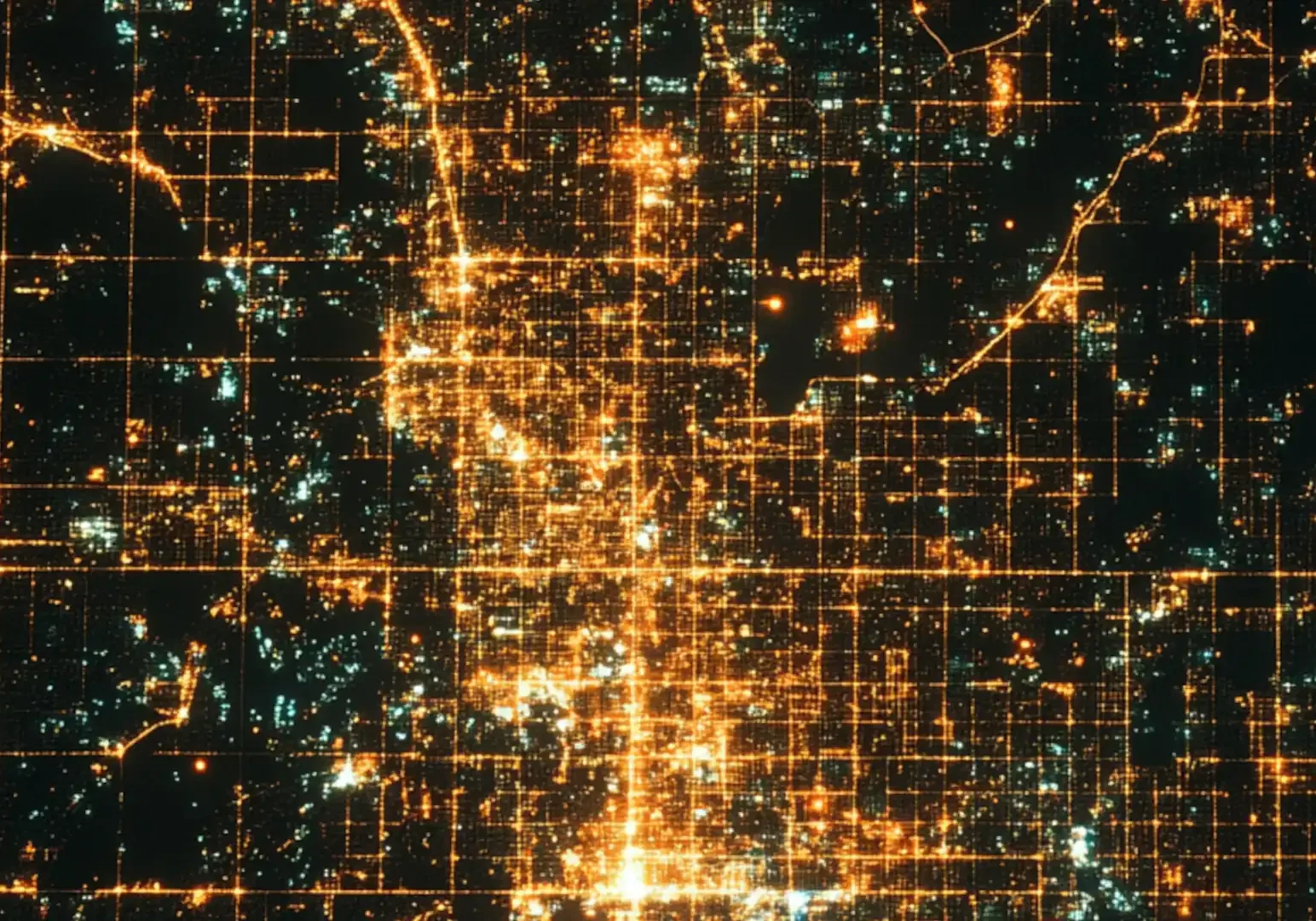
DarkSky International defines light pollution as the human-made alteration of outdoor light levels from those occurring naturally. In day-to-day terms, it is light that is not needed, not aimed correctly, too bright, left on too long, or the wrong colour for the context.
Light pollution is usually discussed in four forms:
- Skyglow: the brightening of the night sky over towns and cities.
- Glare: excessive brightness that causes discomfort and reduces visibility.
- Light trespass: unwanted light spilling into areas where it is not needed (for example, bedroom windows).
- Clutter: bright, confusing groupings of light sources in over-lit areas.
Common contributors include:
- Street and road lighting that is not fully shielded or is over-bright for the task.
- Commercial lighting such as car parks, forecourts and signage that operates all night.
- Sports and recreation lighting with wide spill where aiming, shielding or curfew controls are not managed.
- Residential security lighting that is left on overnight or is poorly aimed.
How light pollution affects wildlife and ecosystems
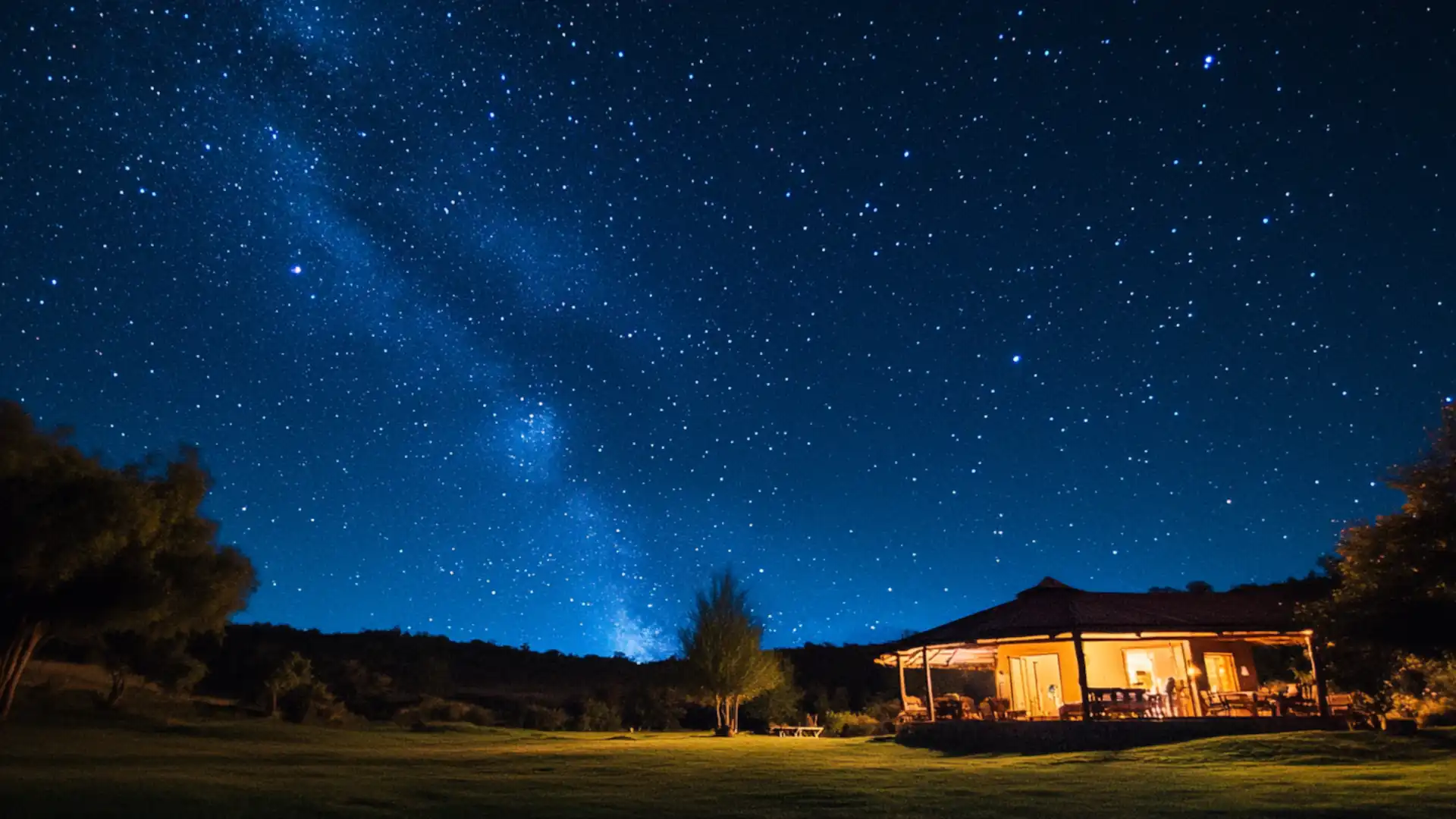
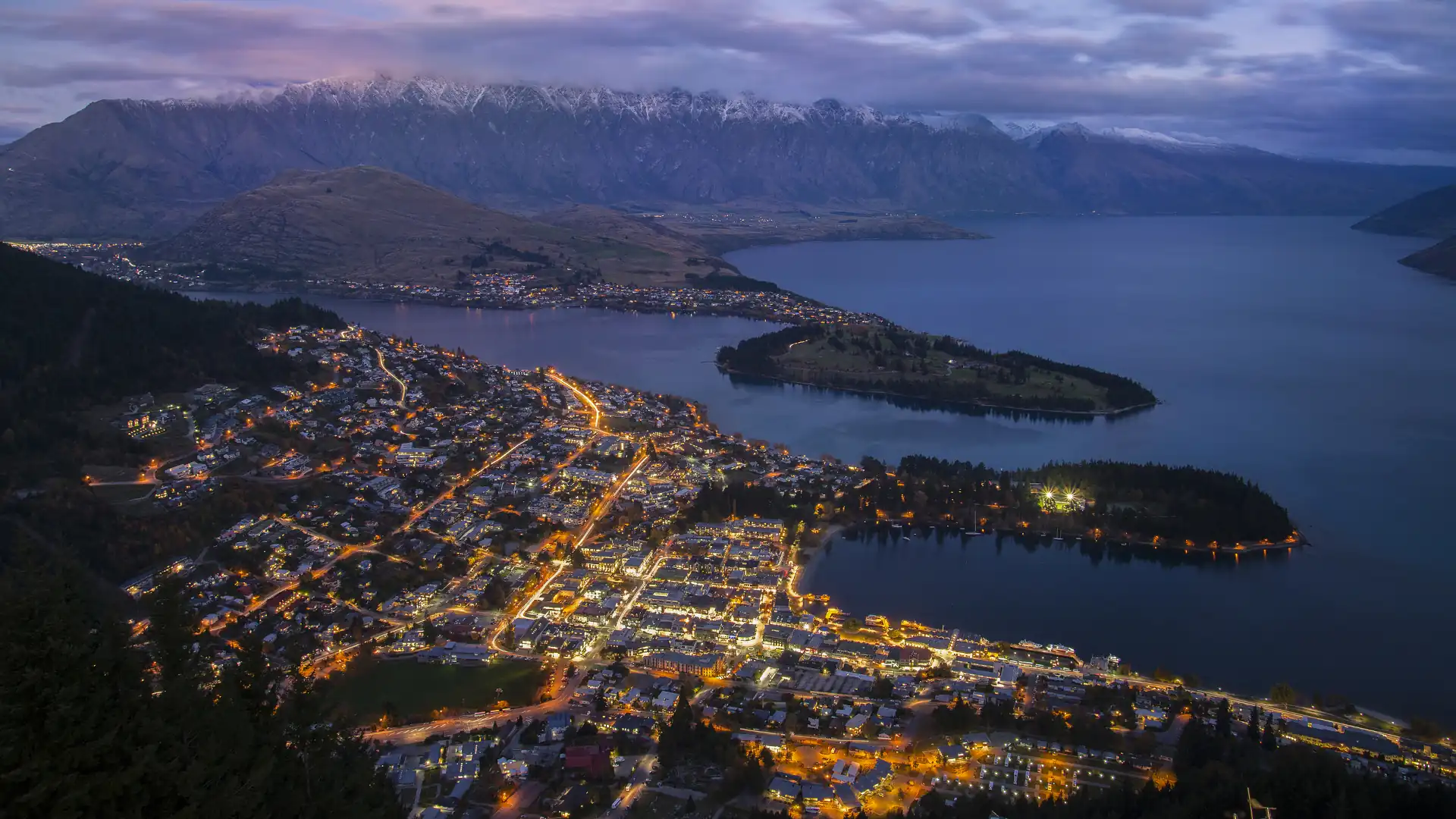
For billions of years, life has adapted to predictable cycles of daylight and darkness. Artificial light at night can disrupt those cues. The outcomes vary by species and location, but the direction is consistent: the more unnecessary light and blue content, the higher the risk of disruption.
If your site is near sensitive wildlife habitats or coastal and freshwater corridors, it is worth treating lighting as an environmental design input early, not a late-stage add-on. This is where professional lighting consultants can help.
Disruption of nocturnal behaviour
Many species rely on darkness for foraging, movement and breeding. Bright or poorly aimed light can change activity patterns and increase avoidance of otherwise suitable habitat.
Insects and pollination
Insects are often attracted to artificial light, which can pull them away from feeding and pollination activity. Over time, reduced insect activity can affect plants and the animals that feed on insects.
Knock-on effects for ecosystems
When insects, birds or other species change behaviour, the effects can flow through ecosystems. This is one reason councils and infrastructure owners increasingly include lighting controls and spill limits in their requirements.
Practical solutions for eco-friendly outdoor lighting
Reducing light pollution is usually about doing the basics well. DarkSky International and the Illuminating Engineering Society promote five practical principles for responsible outdoor lighting. The principles are simple, but the detail is in the optics, layout and controls.
Here is the practical translation for projects:
1. Make lighting useful
Only light areas where there is a real task or safety outcome. Avoid lighting large areas ‘just in case’.
2. Keep it targeted
Use full cut-off or well shielded fittings and aim light down and onto the task, not into eyes, windows or the sky.
3. Use the right brightness
Select the lowest practical light level that still meets the brief. Uniformity and glare control often matter as much as brightness.
4. Control the timing
Use dimming profiles, curfews, motion response and timers so light is not on at full output when the site is quiet.
5. Choose warm colours where appropriate
In many outdoor contexts, warmer sources (often 3000K or lower) reduce blue content and can be kinder to wildlife and night sky outcomes. Confirm the right choice for your task and any consent conditions.
If you are dealing with neighbour complaints, ecological sensitivities, or council conditions, book a short scoping call or request a light design consultation so we can confirm the right approach.
Decision guide: what to do, when, and what you get
Use this as a practical guide for scoping and approvals. Exact requirements vary by site and council.
| Stage or scenario | What is typically needed | Why it matters | Outputs you can use |
|---|---|---|---|
| Early concept or masterplan | Lighting principles, sensitive receiver mapping, early massing and pole location coordination. | Prevents redesign and avoids locking in locations that cause spill or glare complaints. | Concept lighting strategy and constraints register. |
| Consent or stakeholder conditions (ecology or dark sky) | Obtrusive light assessment, modelling, and evidence aligned to consent conditions (where applicable). | Supports defensible approvals and reduces late changes requested by council or stakeholders. | Modelling report, spill and glare checks, and drawings suitable for consenting. |
| Upgrade or retrofit with complaints (glare, light trespass, over-bright) | Site review, measurement where needed, optics and aiming changes, and controls strategy. | Targets the real cause rather than swapping fittings and hoping for the best. | Recommendations memo, revised layout and aiming notes, and fixture schedule. |
| Public realm or street lighting programme | Network level approach, CCT and optics selection, controls and maintenance approach, and monitoring plan. | Improves safety and amenity while reducing wasted light and energy over the long term. | Design standards, luminaire selection basis, control narrative, and rollout documentation. |
| Post-install verification (where required) | Post-install measurements and verification against the agreed criteria. | Confirms performance and provides evidence if issues are raised after commissioning. | Measurement report and remedial recommendations if needed. |
What you receive (typical deliverables)
Deliverables depend on project type and scope, but commonly include:
- Lighting strategy and design report (PDF) including assumptions and constraints.
- Lighting layouts and details suitable for coordination and construction (PDF, and CAD where agreed).
- Luminaire schedule (often Excel) with key data needed for procurement and maintenance planning.
- Lighting modelling outputs and obtrusive light checks where relevant (PDF).
- Controls intent and zoning notes (as scoped).
- Support for consent queries, stakeholder responses, and tender clarifications where included.
Scope caveats
- Council and consent requirements vary by location and project type. Confirm the exact criteria early.
- Ecological impacts may require specialist input (for example an ecologist). Lighting design supports, but does not replace, that discipline.
- Existing electrical capacity, as-built information and underground services locating are separate workstreams unless explicitly included.
- Energy and maintenance outcomes depend on baseline conditions, operating profile, installation quality and commissioning.
What we need from you (to scope accurately, fast)
If you want an accurate scope and fee with minimal back and forth, send:
- Plans or models (PDF is fine) and the site address.
- What the area is used for, who uses it, and the operating hours (including seasonal or event use).
- Any known constraints: neighbours, bedrooms, roads, coastal edge, waterways, reserves, or protected habitats.
- Any council requirements, consent conditions, or stakeholder commitments related to glare, spill, ecology or dark sky.
- Any existing lighting information: asset lists, pole locations, previous reports, and any recorded complaints.
- Programme: key dates for approvals, design freeze, procurement and installation.
- Preferred delivery model if known (client supplied, contractor supplied, nominated fittings).
Common mistakes and what can go wrong
- Over-lighting to compensate for poor uniformity, which increases skyglow and complaints.
- Unshielded fittings or poor aiming that puts light into eyes, windows and the sky instead of the task.
- Choosing cool, high blue-content sources in sensitive locations without checking ecological or community impact.
- Leaving lights on all night when the site is not in use, instead of using dimming, curfews or sensors.
- Treating lighting as a late-stage add-on after poles, landscaping and power routes are fixed.
- Not checking the vertical light on boundaries and windows, which is often what drives objections.
Case study: Dunedin City Lighting Project
The Dunedin City Lighting Project is a good example of how a large programme can improve light quality while reducing unnecessary spill. In 2019, Dunedin City Council procured a project to replace approximately 14,000 HID streetlights on council roads point for point with 3000K LED luminaires.
For projects of this scale, the outcomes are driven by selecting the right optics and distribution for each street type, managing glare, and applying sensible controls rather than simply increasing brightness.
FAQs
What is light pollution?
Light pollution is unwanted artificial light at night that changes natural outdoor light levels. It often shows up as glare, light trespass, clutter and skyglow.
Does all outdoor lighting count as light pollution?
Not necessarily. Lighting that is useful, well aimed, appropriately bright, controlled and warm in colour is far less likely to create harmful spill or skyglow.
How does light pollution affect wildlife?
Artificial light at night can change behaviour and movement patterns, interfere with feeding and breeding cues, and increase predation risk for some species. The impact varies by species and site context.
Why are insects and pollinators often mentioned?
Many insects navigate using natural light cues. Artificial light can draw them away from habitats and change activity patterns, which can reduce pollination and affect food chains.
Is 3000K always the right choice?
3000K or lower is commonly used to reduce blue content, especially in sensitive areas, but the best choice depends on the task, the optics, the environment and any council or consent conditions.
How do you assess glare and spill?
We typically review the site context, model the lighting (where appropriate), and check likely impacts at boundaries and key receptors. Post-install measurement can be used where verification is required.
Do I need consent for outdoor lighting?
Sometimes. Requirements vary by council, zoning and the site context. Even where consent is not needed, managing glare and spill early reduces complaints and redesign.
When should we engage LDP?
As early as possible, ideally at concept or developed design, before poles, mounting points and power routes are fixed. Early engagement usually saves time and rework.
Next step: reduce light pollution on your project
Light pollution is not inevitable. With targeted optics, appropriate brightness, good controls and careful colour selection, most sites can reduce glare, spill and skyglow while still meeting safety and amenity needs.
If you want help planning an upgrade or proving a consent condition, LDP can scope the right level of modelling, documentation and verification for your site.
Choose your path for light solutions
- Book a short scoping call to confirm the right pathway and fee level.
- Send plans + site address and we will come back with a fast, practical scope.
- Request an end-to-end support proposal if you are running a programme or multi-site rollout.